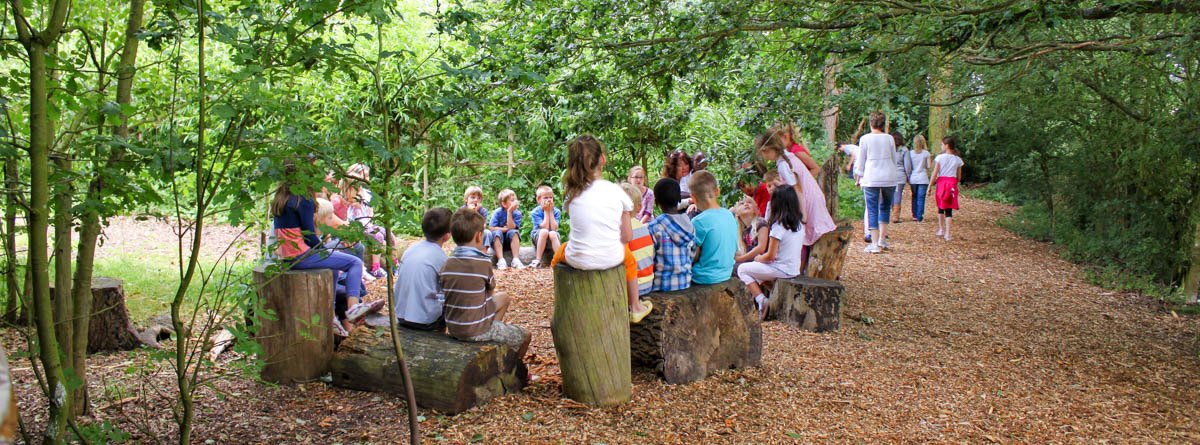
We must view nature as an asset to our schools and an integral part of our students learning environment
Cool school grounds and athletic fields help protect students’ health and improve learning.
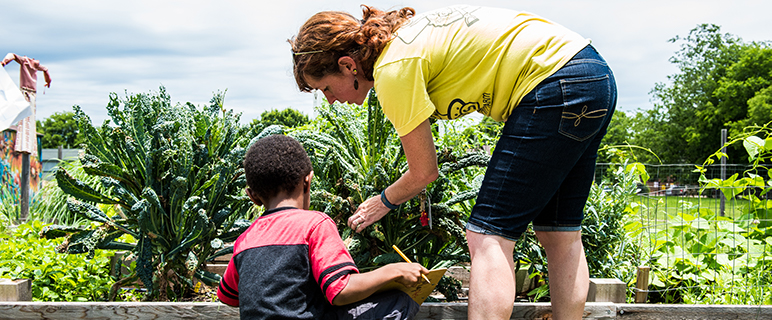
Austin ISD is leading by example creating the Austin Children’s Outdoor Bill of Rights, created deliberate outdoor spaces designed to support learning activities outside, and planted approximately 120 gardens at Austin ISD schools, many of which are Wildlife Habitat Certified.
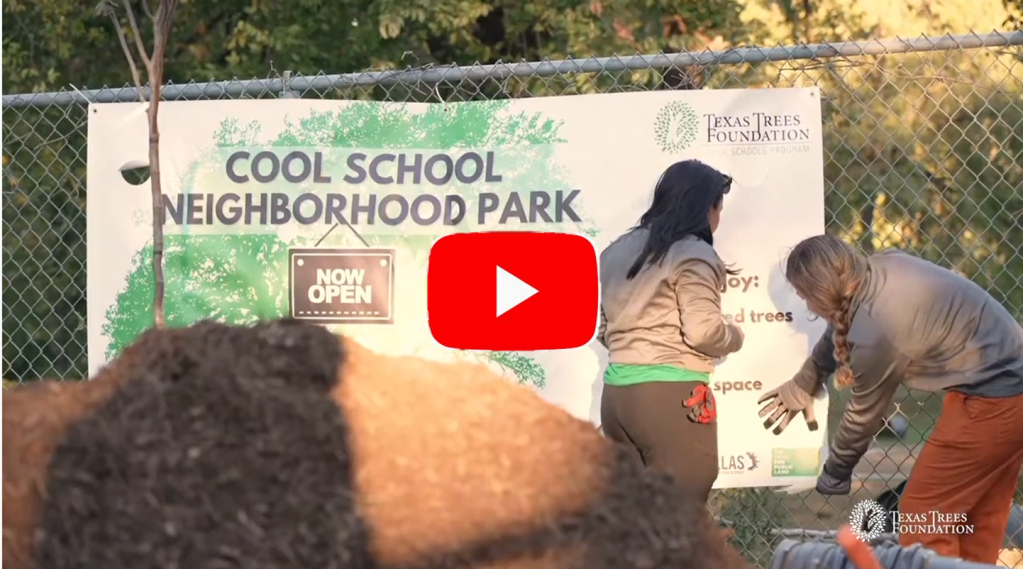
Trees play an important part to help keep school campuses and communities cooler. Dallas ISD continues to work to plant more trees on school campuses with the help of the Texas Trees Foundation’s Cool Schools program.
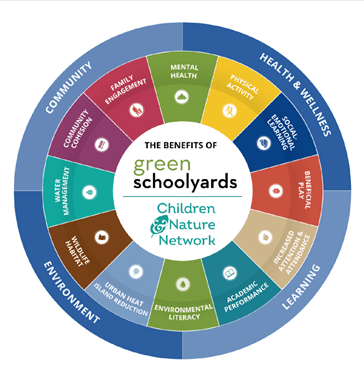
Schools across the nation are seeking ways to improve academic outcomes for all students. Green Schoolyards is a solution.
Artificial Turf
When choosing the best playing surface for our children and student athletes, the decision cannot be taken lightly. There is cost of maintenance, environmental factors, and of utmost importance, safety and health concerns.
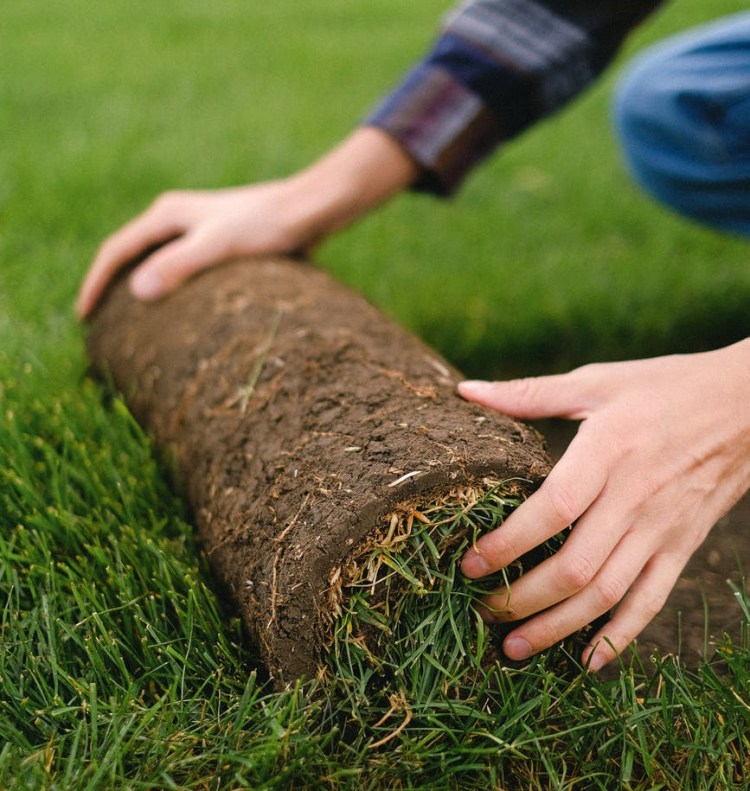
“While there are situations when artificial turf might be an appropriate choice, scientific research documents the significant environmental, health and safety benefits of natural grass which should be the first consideration.”
Read more from Turfgrass Resource Center which explores in great detail the many factors to consider when choosing natural grass or artificial turf field.
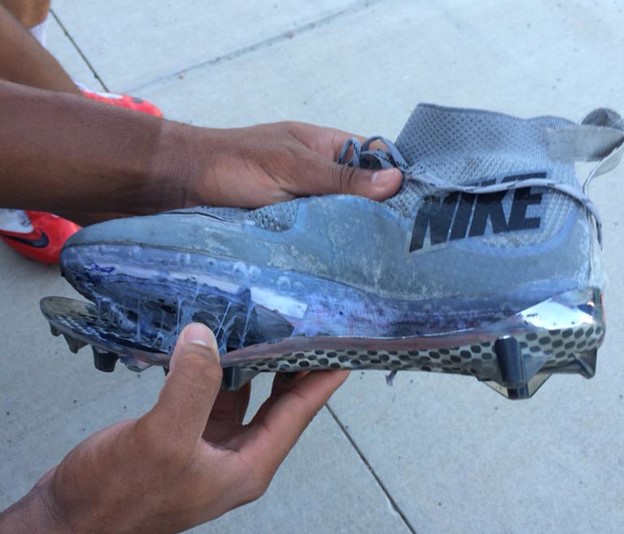
Heat is a major concern in our Texas summers, and there have been instances where a player’s shoes have melted from the heat.
The high surface temperature of artificial turf in the Texas summer sun is only one of the comprehensive list of comparisons between natural grass and artificial turf. The Foundation for Safer Athletic Fields covers them all.
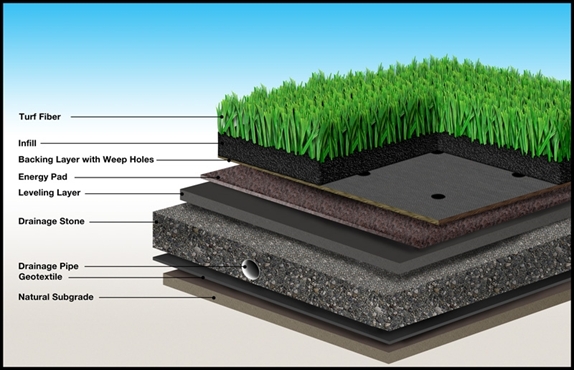
There is a growing concern about health problems caused by artificial turf infill.
Mount Sinai Children’s Environmental Health Center: Artificial Turf: A Health Based Consumer Guide:
Eco-Healthy Child Care FAQs: Crumb Rubber and Artificial Turf.
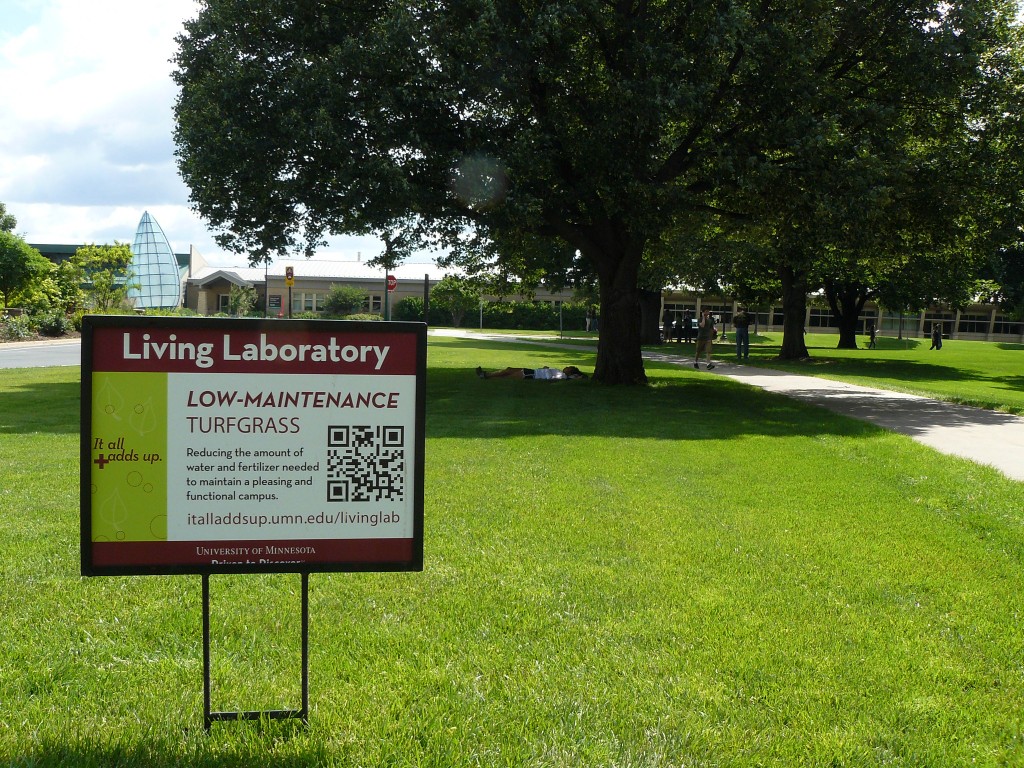
Healthy, natural grass produces fresh oxygen, captures carbon dioxide, and improves the air we breathe. Natural grass sod is the most effective ground cover for delaying runoff, reducing erosion, and protecting watersheds.
Read how a natural grass sports field sequesters carbon dioxide
Read how natural grass will sequester more carbon than it emits in the near term
Photo: Julie Weisenhorn
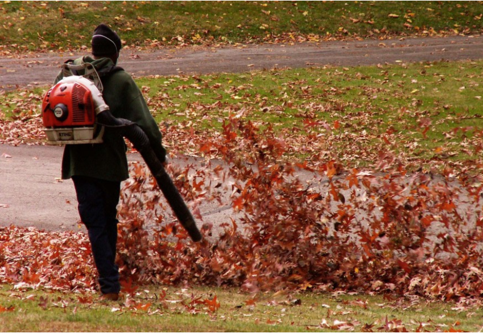
The goal is zero carbon emissions from landscape and athletic field maintenance equipment by 2030. That means building and grounds maintenance need to move towards lower and zero emission equipment.
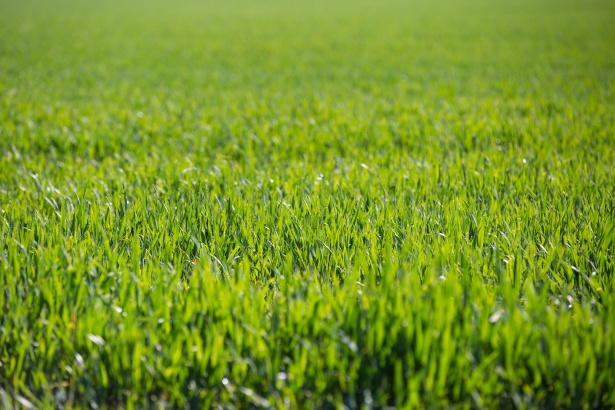
Natural turf fields better protect the health and safety of student athletes by reducing dangerous heat and avoiding extreme temperatures on the field.

