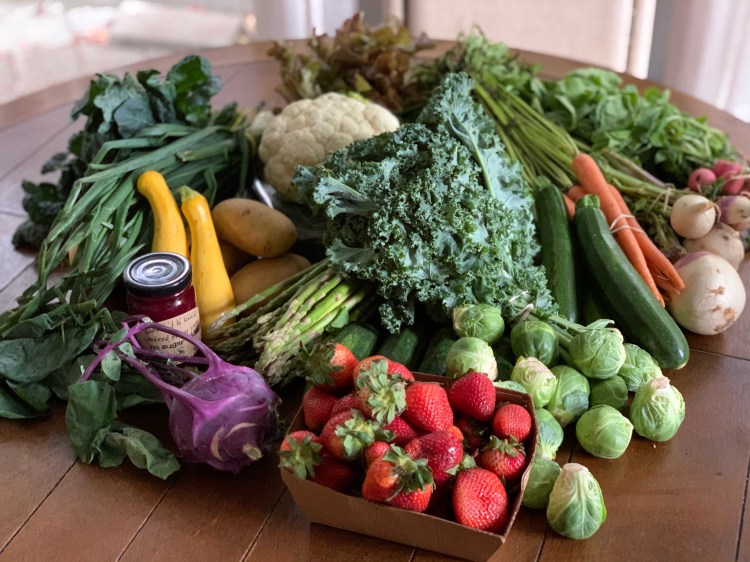
Schools need plant-forward menus which are beneficial for the health of our students and our planet.
Dallas ISD (DISD) is the second largest school district in Texas and the 14th largest in the nation with 230 schools and 154,000 students. With its massive purchasing power and ability to teach kids lifelong eating habits, DISD can play a vital role in shaping healthier diets that are better for our planet and our taxpayers.
Health experts, climate scientists, and school administrations around the world are recommending and moving to a plant-forward menu in schools and universities. A plant-forward menu consists of increasing plant-based foods such as fruits, vegetables, whole grains, nuts, and seeds, and decreasing consumption of animal products such as meat, cheese, and dairy. Plant-based diets help to prevent diseases such as obesity, and heart disease, reduce costs within school meal budgets, and significantly reduce greenhouse gas emissions. A plant-based menu can also cater to culturally diverse communities and serve students with dietary concerns such as gluten-free, vegan, dairy free, among others.
Student Health
The importance that nutrition provides for our growing children’s minds and bodies cannot be understated. Childhood obesity is a nationwide epidemic with over 20% of children in Texas reportedly obese, ranking #8 highest rates out of 50 states. All 154,000 DISD students are eligible to receive school provided meals, many of which come from low-income or food insecure homes where school meals may be the only time they eat for the day.
The average American household is eating more red and processed meats and less plant-based than is recommended by US dietary guidelines. High consumption of red and processed meat is associated with increased risks of diet-related diseases such as diabetes and heart disease. When introducing plant-based menus, children are more likely to be exposed to fresh, diverse, local, seasonal, and more nutrient dense food without sacrificing protein or caloric needs.
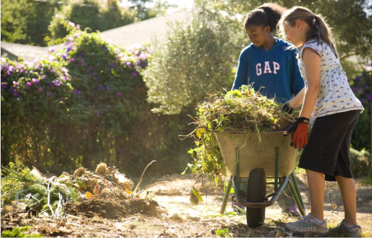
“The Edible Schoolyard Project is a nonprofit organization dedicated to the transformation of public education by using organic school gardens, kitchens, and cafeterias to teach both academic subjects and the values of nourishment, stewardship, and community.”
A map of schools showcases participating schools around the world, including a few from DISD.
Austin ISD has been at the forefront of sustainability in Texas, engaging in meaningful programs for over a decade.
“The district aims to provide students with nature-based learning, access to nutritious, sustainably-sourced food, and knowledge about sustainable food systems. Taken together, these efforts improve the health of our students, along with social, emotional, and academic outcomes.”
Environmental
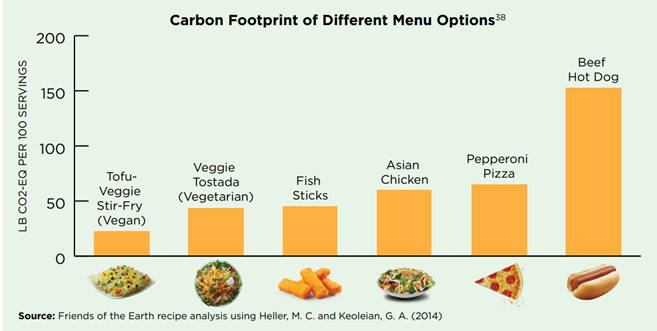
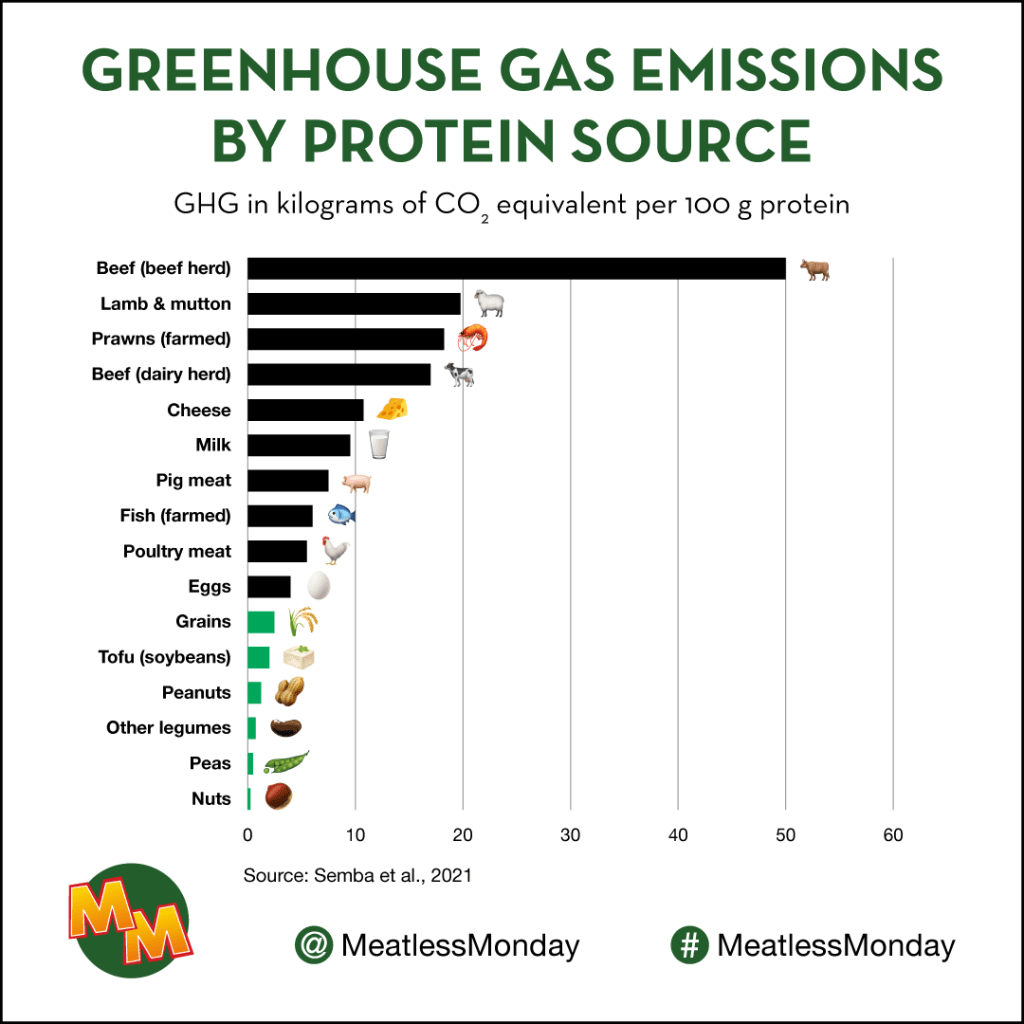
The food and agriculture industry makes up approximately 25% of greenhouse gas emissions the biggest contributors being the deforestation and land use for herd animals such as cow and sheep. Deforestation for animal agricultural purposes is the #1 reason for habitat loss and animal extinction. Studies show that the average US diet uses more land resources than the world can currently sustain. We cannot prevent the worst impacts of climate change or prevent further losses in biodiversity unless we make food production more sustainable, waste less food, and reduce meat and dairy consumption.
The University of Victoria in Canada, Oakland USD, University in Cambridge, have all been able to quantify more than a 10% decrease in their greenhouse gas emissions (GHGs) since switching to a plant-forward menu.

DefaultVeg is an organization working to make plant-based food the default and give people the choice to opt in for meals with animal products.
They provide resources, recipes, and information on how to get your school started.
Meatless Mondays was started in 2003 in association with the Johns Hopkins Center for a Livable Future. The organization’s website provides a wealth of knowledge on how schools can begin the Monday program, success stories, and hundreds of plant-based recipes.
Cost Savings
According to the DISD 2022 budget, more than $41 million dollars was spent on food products in 2021. Because of the record high inflation we are seeing across all sectors, specifically in food related products, that cost will continue to increase. One of the most attractive reasons to switch to a plant-forward menu is the fact that it costs no up front investment from a school to change menu items, and only creates a direct decrease in the grocery bill.
Plant-forward menus are more cost effective than traditional American menus without reducing caloric, protein, or vitamin intake because of the shift to meat as a side and the addition of plants. Schools and universities across the globe and here within our country, such as Oakland Unified School District (OUSD) are saving tens of thousands of dollars annually in their food budget. These considerable cost savings are likely to grow in coming years. With energy and water costs likely to increase over time, reducing the use of animal foods in school lunches will become even more financially compelling. A common misconception about fresh food is that it is more expensive. When partnering with a local farm that provides access to food that was in the ground less than 48 hours prior, we are reducing the space needed for storage ($) and reducing spoilage and food waste ($$). Watch the video below to see how Austin ISD has partnered with local farms to make this happen. Additionally, canned and frozen food is often just as nutritious as fresh produce because of the quick preservation of nutrients and can be more cost effective.

How Greener School Lunches Can Help Fight Climate Change, highlighting a case study from Oakland Unified School District (OUSD) that saw a savings of tens of thousands of dollars.
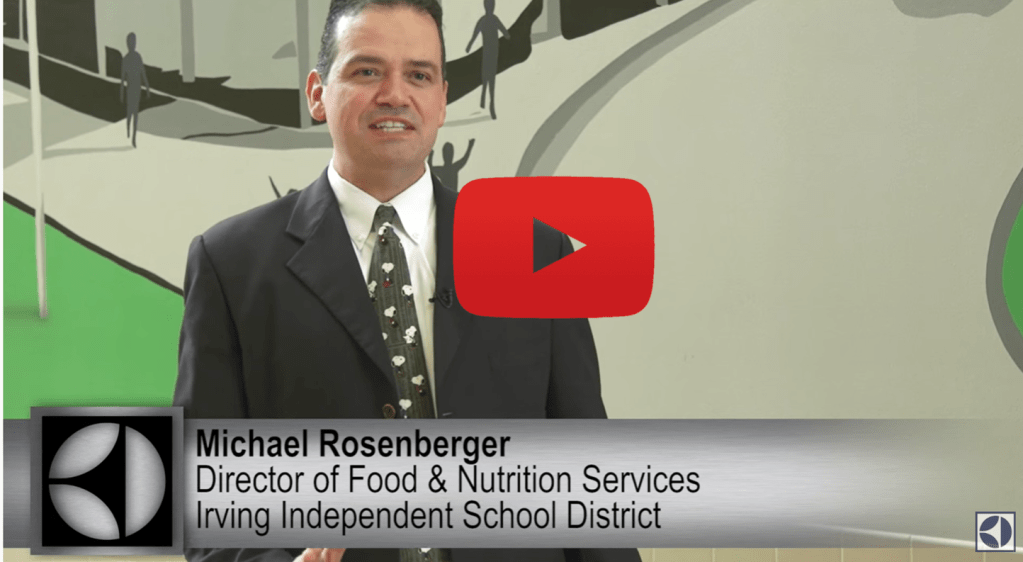
An example from Irving ISD’s Director of Food and Nutrition Services how the Lady Bird Johnson Middle School kitchen is integral to the net zero energy building design. The Electrolux appliances enables the oven-to-serving line concept the school uses for meal preparation.
Disclaimer: GreeningDallasISD does not endorse Electrolux food service equipment or any other companies’ products or services. These videos describe examples of the high efficiency equipment that is available today to reduce the energy demand of the school cafeteria.
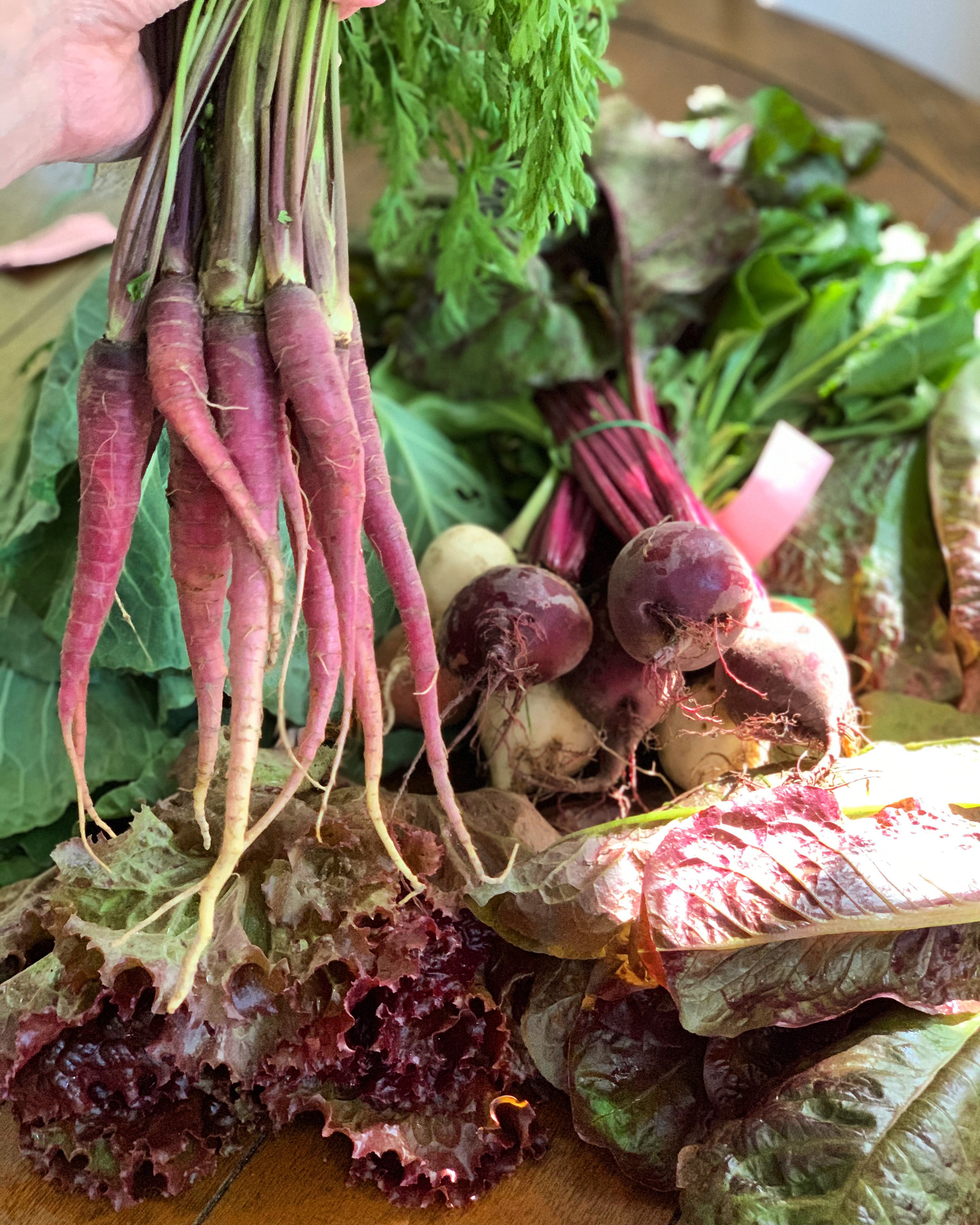
Nutritious and sustainable school food options are critical to students for making better food choices not just in school, but in their lives. Growing produce in school gardens helps cultivate appreciation for those healthy foods as well as benefiting the environment. Schools must be responsible for food service operations to reduce food waste and single use plastics.

